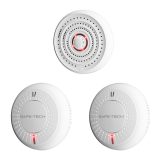
How Much Are Smoke Alarms? UK Prices & Installation Guide (2026)

Wondering how much smoke alarms cost in the UK? Prices can range from under £15 for a basic standalone alarm to over £200 for a more comprehensive interlinked fire alarm kit. The right choice depends on your property, the number of alarms you need, the power supply, whether the alarms communicate with each other, and whether professional installation is required.
In this guide, we explain how much smoke alarms cost, what affects the price, how much you might pay for interlinked smoke alarms, and how to choose a suitable system for your home.
Whether you are a homeowner, landlord or tenant, understanding the costs can help you make an informed decision without compromising on fire safety.
How Much Are Smoke Alarms in the UK?
Smoke alarm prices vary according to the features and type of system you choose. A basic alarm may be inexpensive, while a wireless interlinked system or mains-powered installation can cost more.
The following table provides a general guide to the types of alarms available and their typical price ranges. These are indicative shopping budgets rather than fixed market averages; actual prices vary by model, retailer and installation requirements.
| Type of smoke alarm | Indicative price per unit or kit |
|---|---|
| Basic standalone smoke alarm | £10–£20 |
| Long-life battery smoke alarm | £15–£35 |
| Radio-interlinked battery smoke alarm | £20–£40 |
| Mains-powered smoke alarm | £30–£60 |
| Interlinked smoke and heat alarm bundle | £50–£100 |
| Multi-alarm system with additional CO protection | £80–£200+ |
Remember that these prices do not necessarily include installation. Mains-powered alarms may require a qualified electrician, while some battery-powered alarms can be installed by the homeowner in accordance with the manufacturer’s instructions.
When comparing how much smoke alarms cost, look beyond the initial purchase price. Battery replacement, product lifespan, installation and the number of alarms required can all affect the overall cost.
What Affects the Price of a Smoke Alarm?
Not all smoke alarms offer the same features. Understanding the differences can help you decide whether a lower-priced alarm is suitable or whether a more comprehensive system would better meet your needs.
1. Standalone or Interlinked Smoke Alarms
A standalone smoke alarm sounds locally when it detects smoke. This can provide an important early warning, but the sound may not be heard clearly in every part of a larger property.
Interlinked smoke alarms communicate with one another. When one compatible alarm detects a hazard, the other linked alarms can sound as well, helping alert occupants throughout the home.
Radio-interlinked smoke alarms communicate wirelessly, which can avoid the need to run interlink wiring between compatible units. However, the installation requirements and compatibility of each system should always be checked.
If you are comparing the cost of interlinked smoke alarms, consider how many rooms and floors need protection and whether you also require a heat alarm or carbon monoxide (CO) alarm.
2. Battery-Powered or Mains-Powered Alarms
Battery-powered smoke alarms are often easier to install because they do not normally require a mains electrical connection. Models with sealed, long-life batteries can also reduce the need for routine battery replacement.
Mains-powered smoke alarms connect to the property’s electrical supply and may include a backup battery. They can be a suitable choice for certain homes and installation projects, but installation may require a qualified electrician.
The cheapest alarm is not automatically the most cost-effective option. Compare the complete system, including installation, battery arrangements, maintenance and replacement requirements.
3. Smoke, Heat and Carbon Monoxide Detection
Smoke alarms detect smoke, while heat alarms respond to rising temperatures. Carbon monoxide alarms detect carbon monoxide, a dangerous gas that cannot be seen or smelled.
These devices perform different functions and should not be treated as interchangeable.
A heat alarm is generally more suitable for a kitchen where cooking fumes may trigger nuisance alarms. A smoke alarm is normally used in hallways, landings, bedrooms and living areas, subject to the relevant guidance and manufacturer’s instructions.
Some products combine two or more detection functions in one unit. These can simplify a system, but check exactly what the product detects and whether it is appropriate for the intended location.
For example, SAFE-TECH offers a battery radio-interlinked heat and carbon monoxide alarm for areas where those detection functions are required.
How Much Do Interlinked Smoke Alarms Cost?
The price of an interlinked smoke alarm system depends on the number of devices, power supply, detection functions and installation requirements.
For a smaller property, a basic bundle may be sufficient for the intended coverage. A larger house may require additional smoke alarms, heat alarms and, where appropriate, carbon monoxide alarms.
Before buying, consider:
- Number of alarms: How many rooms, hallways and landings need coverage?
- Interlinking: Do you need all compatible alarms to sound together?
- Power supply: Are battery-powered or mains-powered alarms more suitable?
- Detection type: Do you need smoke detection, heat detection or CO detection?
- Installation: Can the alarms be installed in accordance with the instructions, or is an electrician required?
- Compatibility: Will the new alarms work with the other devices in your system?
SAFE-TECH Smoke Alarm Options
If you are comparing prices, SAFE-TECH offers several options for domestic fire safety.
Standalone smoke alarm
A standalone alarm can be an option where a separate, non-interlinked device is appropriate. Check its power supply, product life and installation instructions before purchasing.
Radio-interlinked smoke alarm
A radio-interlinked alarm is worth considering when you want compatible alarms to communicate wirelessly.
Smoke and heat alarm bundles
A bundle can help you purchase several compatible devices together, potentially making it easier to plan a complete system.
Mains-powered interlinked alarms
Mains-powered systems may suit properties where a permanently powered installation is required or preferred. Professional installation may be necessary.
Browse the SAFE-TECH smoke alarm range to compare available options.
How Much Does It Cost to Install Smoke Alarms?
The cost of installing smoke alarms depends on the type of property and the work involved.
Installing a compatible battery-powered alarm may be straightforward for someone following the manufacturer’s instructions. Mains-powered alarms can involve electrical work, access to wiring and additional labour.
Installation costs may increase if the property needs several devices, existing alarms must be replaced, or the system requires additional wiring or configuration.
For an accurate estimate, ask an installer to confirm:
- The number and type of alarms required.
- Whether the existing wiring can be used.
- Whether wireless interlinking is suitable.
- The labour charge and any additional materials.
- Whether testing and commissioning are included.
If you are replacing an existing system, check compatibility before buying individual alarms. Purchasing a complete compatible kit may be more convenient than selecting devices separately.
Are More Expensive Smoke Alarms Better?
Not necessarily. A higher price may reflect features such as wireless interlinking, a sealed long-life battery, mains power, additional detection functions or a more comprehensive kit.
However, price alone does not establish the quality or suitability of an alarm.
Before buying, check the applicable product standards, manufacturer’s instructions, intended use and expected service life. Make sure the alarm is suitable for the room and property where it will be installed.
For example, a basic standalone smoke alarm may not meet the needs of a property requiring an interlinked system. Equally, paying for features you do not need may not represent good value.
The aim is to choose an appropriate, reliable system that provides the protection required for your property.
Smoke Alarm Requirements in the UK: What Should You Know?
Smoke alarm requirements vary across the UK, so it is important to check the rules that apply to your location and property type.
Scotland
Scotland has specific requirements for domestic fire and smoke alarms. Under the Scottish standard, homes must have:
- A smoke alarm in the living room or the room used most frequently during the day.
- A smoke alarm in every hallway and landing.
- A heat alarm in the kitchen.
- All required smoke and heat alarms ceiling-mounted and interlinked.
The Scottish Government explains that interlinked alarms may use sealed long-life battery power or mains power. Mains-powered alarms must be installed by a qualified electrician.
Read the Scottish Government’s fire and smoke alarm guidance.
England and Wales
Requirements can differ according to whether the property is owner-occupied, privately rented, a new build or another type of residential building.
Landlords should check the relevant smoke and carbon monoxide alarm regulations, including their responsibilities for installation and testing. New-builds and certain other properties may have additional requirements.
Do not assume that the Scottish standard applies identically throughout England and Wales. Check the current guidance for your property and circumstances before choosing a system.
Frequently Asked Questions About Smoke Alarm Prices
How much does a smoke alarm cost in the UK?
A basic domestic smoke alarm may cost around £10–£20, while interlinked or mains-powered models can cost more. Multi-alarm kits may cost £50 to over £200, depending on their contents and features. Installation is usually an additional consideration.
Are wireless interlinked smoke alarms more expensive?
They can cost more than basic standalone alarms because they include communication features. However, wireless interlinking can reduce the need to install interlink cables between compatible devices. Compare the total system cost rather than the unit price alone.
How many smoke alarms do I need in my house?
The number depends on the property layout, applicable regulations and the level of protection required. Scotland has specific requirements for living rooms, hallways, landings and kitchens. In other parts of the UK, requirements may vary according to property type and circumstances.
Do I need a heat alarm in my kitchen?
A heat alarm is generally more suitable than a smoke alarm in a kitchen because normal cooking fumes can cause nuisance alarms. Always follow the relevant fire safety guidance and the manufacturer’s installation instructions.
Are smoke alarms with sealed batteries worth the extra cost?
They may be worth considering because the sealed battery is designed to last for the alarm’s specified service life, reducing routine battery replacement. Check the manufacturer’s stated battery life and the alarm’s replacement date.
Do smoke alarms need to be interlinked?
This depends on the applicable requirements and the property’s circumstances. In Scotland, the domestic standard requires the relevant smoke and heat alarms to be interlinked. In other locations, different rules may apply. Interlinking can also help occupants hear a warning from elsewhere in the property.
Should I buy a smoke alarm and carbon monoxide alarm together?
Only if you need both types of protection. Smoke alarms detect smoke from a fire, while carbon monoxide alarms detect carbon monoxide gas. A combined device may be convenient, but check its detection functions, intended location and suitability for your property.
Choose the Right Smoke Alarm for Your Home
So, how much are smoke alarms? The answer depends on the type of alarm, how many devices you need and whether installation is required. A basic unit can be relatively inexpensive, but a complete interlinked system may require a larger budget.
Rather than choosing solely by price, compare the power supply, detection functions, product lifespan, compatibility and applicable safety requirements. The right choice should balance cost with suitable protection for your home.
Explore the SAFE-TECH fire alarm range to compare smoke alarms, heat alarms, interlinked systems and available bundles.
A carefully selected system, installed correctly and tested regularly, is an important part of a practical home fire safety plan.