Another Lithium Battery Fire: Lithium Battery Recycling Facility Fire Manchester Wythenshawe

A Wake-Up Call for Fire Safety
On 23 February 2025, a quiet Sunday morning, residents of Wythenshawe and nearby Timperley were jolted awake by the sounds of explosions and the sight of thick plumes of smoke rising into the sky. The source? A massive blaze had erupted at a battery recycling facility, according to news reports, located on the Roundthorn Industrial Estate in Greater Manchester. Reports soon confirmed that the fire involved lithium-ion batteries, known for their high energy density and volatility under certain conditions.
Thanks to the swift response by the Greater Manchester Fire and Rescue Service (GMFRS), the fire was quickly brought under control. However, local authorities issued a public advisory urging residents to stay indoors, close their windows, and minimise outdoor activities due to concerns over air quality and exposure to hazardous materials. Although the blaze was eventually contained, the economic and environmental repercussions are expected to linger for months.
This incident highlights a growing global concern: the dangers of improper storage, handling, and recycling of lithium-ion batteries. For businesses, particularly those in the battery recycling sector, the Wythenshawe fire serves as a stark reminder of the need for stringent safety measures.
The Hidden Dangers of Lithium Battery
Lithium-ion batteries are widely used in everything from smartphones to electric vehicles. However, their high energy density makes them particularly dangerous when mishandled or damaged:
- Thermal Runaway – A chain reaction caused by overheating, leading to fires or explosions.
- Short Circuits – Can occur when batteries are improperly stored or damaged.
- Chemical Leakage – Released gases can be toxic and contribute to fires.
In recycling facilities, where damaged or expired batteries are processed, the risk multiplies. Mishandling or storing too many batteries without proper precautions can create the perfect conditions for catastrophic fires like the one seen in Wythenshawe.
Key Safety Lessons from the Wythenshawe Fire
For businesses dealing with hazardous materials, this incident highlights several key safety lessons:
- Proper Storage of Hazardous Materials – Batteries should be stored in temperature-controlled environments with appropriate containment measures.
- Regular Fire Safety Audits – Routine inspections help identify and mitigate risks before incidents occur.
- Staff Training – Employees should be thoroughly trained in handling hazardous materials and emergency response procedures.
- Emergency Response Plans – Quick, efficient evacuation procedures can save lives and reduce property damage.
How Businesses Can Prevent Similar Disasters
To prevent incidents like the Wythenshawe fire, businesses should consider implementing the following:
✅ Advanced Fire Detection Systems – Install live-monitoring, interlinked fire alarms across the facility.
✅ Battery-Specific Fire Suppression Systems – Use chemical suppression systems designed to extinguish lithium battery fires.
✅ Proper Disposal Protocols – Ensure batteries are correctly sorted and disposed of to reduce the risk of fires.
✅ Employee Safety Training – Regularly update staff on best practices for handling and storing hazardous materials.
How SAFE-TECH Can Help: Advanced Fire Safety Solutions
At SAFE-TECH, we understand the unique challenges businesses face when dealing with lithium-ion batteries. Our range of advanced safety solutions includes:
🔥 Fireproof Bags for Lithium Batteries – Designed to contain fires and prevent the spread of thermal runaway events.
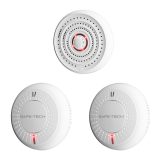
🔥 Interlinked Fire Alarms – Trigger alerts across the entire facility for a quicker response.
🔥 Smart Hestia Security – A central hub for managing fire safety systems, offering real-time alerts and remote monitoring.
🔥 Water Leak Detectors – Prevent secondary hazards, such as electrical fires caused by water leaks.
Improving Regulations with Expert Collaboration
While the Health and Safety at Work Act 1974 and The Regulatory Reform (Fire Safety) Order 2005 provide a strong foundation for fire safety, the rapid growth of lithium-ion electronic products calls for more specific regulations on battery storage and transportation.
At SAFE-TECH, we advocate for:
🔍 Collaborative Research with Experts – Working alongside industry professionals to develop improved handling and storage protocols for lithium-ion batteries.
📜 Engaging with Regulators – Partnering with UK authorities to expedite the development of regulations focused on the safe storage, recycling, and transportation of hazardous materials.
🏢 Industry Workshops and Training – Providing businesses with the latest safety insights and practical training for handling lithium-ion batteries safely.
🛡️ Technology Development – Supporting the creation of cutting-edge detection and suppression systems specifically tailored for battery storage facilities.

Conclusion: Building a Safer Business Environment
The Wythenshawe fire serves as a harsh reminder of the dangers posed by lithium-ion batteries if not properly managed. Businesses that handle, store, or recycle batteries must take proactive steps to mitigate these risks.
With solutions from SAFE-TECH, companies can implement cutting-edge safety measures, ensuring that incidents like this remain a rarity. Protect your business, employees, and the environment with our reliable and innovative fire safety solutions.
🔗 Explore our full range of fire safety products: lipo safe.