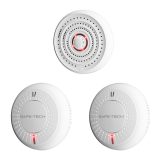
Mastering Fire Alarms: Do’s and Don’ts for Enhanced Safety

Fire alarms are a critical component of fire safety systems, designed to alert individuals to the presence of a fire and facilitate a timely evacuation. However, the effectiveness of fire alarms depends not only on their proper installation and maintenance but also on the knowledge and actions of those in the vicinity. In this article, we will explore the do’s and don’ts of fire alarms to ensure that they fulfill their essential role in protecting lives and property.
The Do’s
Test Your Fire Alarms Regularly: Regular testing ensures that your fire alarms are in working condition. Fire alarms have a test button, making it easy to verify their functionality. It’s recommended to test them at least once a month.
Change Batteries Annually: For battery-operated fire alarms, replace the batteries at least once a year, even if they seem to be functioning correctly. This simple step can prevent the risk of the alarm failing during a fire emergency.
Follow the Manufacturer’s Instructions: Consult the manufacturer’s guidelines for proper installation, maintenance, and replacement intervals. This will help ensure that your fire alarms operate at their optimal capacity.
Install Smoke Alarms in Key Locations: Install smoke alarms in every bedroom, outside each sleeping area, and on every level of your home. For businesses and other buildings, adhere to local fire safety codes and regulations for alarm placement.
Keep Alarms Clean and Dust-Free: Regularly clean your fire alarms to prevent dust and debris from obstructing the sensors. A vacuum cleaner or a soft brush can be used to remove dirt and dust.
Plan and Practice Fire Drills: Develop and practice a fire escape plan with your family or colleagues. Ensure everyone knows the evacuation routes and the designated meeting point outside.
Replace Outdated Alarms: Fire alarms have a limited lifespan, typically around 10 years. After this time, replace them with newer models to ensure up-to-date safety features.
The Don’ts:
Don’t Disable Fire Alarms: Under no circumstances should you ever disable or remove the batteries from a fire alarm, even if it’s causing false alarms. False alarms can be addressed without compromising your safety.
Don’t Use Fire Alarm Equipment for Other Purposes: Fire alarms are not suitable for any other function besides fire detection and alerting. Using them for other purposes, such as hanging items, can damage the equipment and interfere with their functionality.
Don’t Ignore Alarms: If a fire alarm sounds, take it seriously. Do not assume it’s a false alarm, and never delay your response. Evacuate the premises immediately and call emergency services.
Don’t Neglect Maintenance: Failing to perform regular maintenance and testing can lead to alarm malfunctions or false alarms. Neglecting your fire alarms is a risk you should never take.
Fire alarms play a pivotal role in fire safety, serving as the first line of defence against potential disasters. By following these do’s and don’ts, you can help ensure the effectiveness of your fire alarms and the safety of your home or workplace. Remember, proactive maintenance and responsible use of fire alarm systems can make a crucial difference in emergencies, potentially saving lives and property.